잔지해다람쥐 분포 서식지 각주 둘러보기 메뉴“Heliosciurus undulatus”〈Family Sciuridae〉 [다람쥐과]《Mammal Species of the World: A Taxonomic and Geographic Reference》62265494“Animal Checklist - Zanzibar”과거 내용 찾기“Heliosciurus undulatus (Zanj Sun Squirrel)”eh
IUCN 적색 목록 정보부족종다람쥐과1892년 기재된 동물
다람쥐과설치류아프리카케냐잔지바르마피아 섬웅구자 섬탄자니아펨바 섬킬리만자로 산
잔지해다람쥐
둘러보기로 가기
검색하러 가기
  잔지해다람쥐 | ||||||||||||||||||||
보전 상태 | ||||||||||||||||||||
|---|---|---|---|---|---|---|---|---|---|---|---|---|---|---|---|---|---|---|---|---|
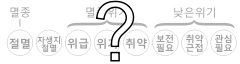 정보부족(DD), IUCN 3.1[1] | ||||||||||||||||||||
생물 분류 | ||||||||||||||||||||
| ||||||||||||||||||||
학명 | ||||||||||||||||||||
Heliosciurus undulatus (True, 1892) | ||||||||||||||||||||
아종 | ||||||||||||||||||||
| ||||||||||||||||||||
잔지해다람쥐(Heliosciurus undulatus)는 다람쥐과에 속하는 설치류의 일종이다.[2]아프리카 동부 지역에서 발견된다.
분포
잔지해다람쥐는 케냐 남부 및 동부 지역, 잔지바르의 주요 섬인 마피아 섬과 웅구자 섬이 포함된 탄자니아 북부와 동부 지역에서 발견된다. 그러나 펨바 섬에서는 발견되지 않는다.[3]
서식지
잔지해다람쥐는 해안가 숲과 강가의 대상림에서 주로 서식하지만, 킬리만자로 산의 해발 2000m 이하에서 발견되기도 한다.[4]
각주
↑ “Heliosciurus undulatus”. 《멸종 위기 종의 IUCN 적색 목록. 2008판》 (영어). 국제 자연 보전 연맹. 2008. 2009년 1월 6일에 확인함.
↑ Thorington, R.W., Jr.; Hoffman, R.S. (2005). 〈Family Sciuridae〉 [다람쥐과]. Wilson, D.E.; Reeder, D.M. 《Mammal Species of the World: A Taxonomic and Geographic Reference》 (영어) 3판. 존스 홉킨스 대학교 출판사. 754–818쪽. ISBN 978-0-8018-8221-0. OCLC 62265494.
↑ “Animal Checklist - Zanzibar”. African Crane Safaris. 2016년 10월 20일에 확인함. [깨진 링크(과거 내용 찾기)]
↑ “Heliosciurus undulatus (Zanj Sun Squirrel)”. 《The IUCN Red List of Threatened Species》. 국제 자연 보전 연맹. 2016년 10월 20일에 확인함.
분류:
- IUCN 적색 목록 정보부족종
- 다람쥐과
- 1892년 기재된 동물


(RLQ=window.RLQ||[]).push(function()mw.config.set("wgPageParseReport":"limitreport":"cputime":"0.416","walltime":"0.506","ppvisitednodes":"value":2382,"limit":1000000,"ppgeneratednodes":"value":0,"limit":1500000,"postexpandincludesize":"value":354423,"limit":2097152,"templateargumentsize":"value":1649,"limit":2097152,"expansiondepth":"value":12,"limit":40,"expensivefunctioncount":"value":0,"limit":500,"unstrip-depth":"value":0,"limit":20,"unstrip-size":"value":5348,"limit":5000000,"entityaccesscount":"value":0,"limit":400,"timingprofile":["114.35% 422.749 21 틀:둘러보기_상자","100.00% 369.707 1 -total"," 44.61% 164.922 1 틀:다람쥐아목"," 38.84% 143.593 1 틀:각주"," 25.44% 94.069 1 틀:IUCN2008"," 25.14% 92.941 3 틀:웹_인용"," 24.26% 89.678 1 틀:IUCN"," 15.81% 58.437 1 틀:생물_분류"," 3.42% 12.631 1 틀:MSW3_Sciuridae"," 2.61% 9.664 29 틀:생물_분류_색"],"scribunto":"limitreport-timeusage":"value":"0.161","limit":"10.000","limitreport-memusage":"value":4395932,"limit":52428800,"cachereport":"origin":"mw1261","timestamp":"20190910005254","ttl":2592000,"transientcontent":false););"@context":"https://schema.org","@type":"Article","name":"uc794uc9c0ud574ub2e4ub78cuc950","url":"https://ko.wikipedia.org/wiki/%EC%9E%94%EC%A7%80%ED%95%B4%EB%8B%A4%EB%9E%8C%EC%A5%90","sameAs":"http://www.wikidata.org/entity/Q308766","mainEntity":"http://www.wikidata.org/entity/Q308766","author":"@type":"Organization","name":"uc704ud0a4ubbf8ub514uc5b4 ud504ub85cuc81dud2b8 uae30uc5ecuc790","publisher":"@type":"Organization","name":"Wikimedia Foundation, Inc.","logo":"@type":"ImageObject","url":"https://www.wikimedia.org/static/images/wmf-hor-googpub.png","datePublished":"2018-01-14T12:15:11Z","dateModified":"2018-11-01T09:00:59Z","image":"https://upload.wikimedia.org/wikipedia/commons/7/7c/Picto_infobox_reptile.png","headline":"ub2e4ub78cuc950uacfcuc758 uc124uce58ub958"(RLQ=window.RLQ||[]).push(function()mw.config.set("wgBackendResponseTime":643,"wgHostname":"mw1261"););


